

Living in Chile: What Surprises Newcomers
Before you buy a place, it helps to understand the rhythm of the country you’re buying into. Here are the quirks that catch every newcomer — the charming ones and the baffling ones.
Actualizado · 2026-06-23 · lectura honesta, sin letra chica
You can read all the legal guides in the world and still be surprised by daily life in Chile. Some of it is delightful, some of it is gloriously bureaucratic. Here is the affectionate, honest field guide to what actually surprises people.
The UF — Chile’s inflation-proof unit
Newcomers are baffled the first time a price is quoted in "UF". The Unidad de Fomento is an accounting unit that adjusts daily with inflation. Property, rents, and big contracts are often priced in UF, so the peso amount shifts slightly each day while the "real" value stays stable. Once it clicks, it is genuinely clever — and you will start thinking in it too.
Onces, completos and the rhythm of the day
Lunch is the big meal. Dinner is often replaced by "once" — an early-evening tea-with-bread ritual that is pure Chile. And the completo (a loaded hot dog with avocado, tomato and far too much mayonnaise) is a national institution. The pace is warmer and more relationship-driven than many newcomers expect.

“Buying in a country that isn't yours is not about trust. It's about proof”
Safety, honestly
Chile is among the safer, more stable countries in Latin America, with normal big-city caution in parts of Santiago and a generally calm feel in smaller towns and the coast. Like anywhere, you adjust your habits to the neighbourhood — and your home choice should pair the right area with a clean title.
The cordillera is your compass
In Santiago, you never get truly lost: the Andes are always to the east. Locals give directions by "towards the mountains" (hacia la cordillera) or "towards the sea". On a clear day after rain, the snow-capped wall over the city is one of the great urban views on earth.
Bureaucracy and the magic of a trusted contact
Some processes are slower and more paperwork-heavy than you are used to. The Chilean solution is social: things move faster when you have a trusted local who knows the way. For a foreigner, the right advisor is not just a translator — it is the person who turns three weeks of confusion into one clear afternoon.
Registrar of Deeds, tax authority, treasury, municipal works and more. A hidden problem in the title shows up BEFORE you sign or wire a single peso — and we explain it to you in English.
Why people stay
Mountains and ocean within an hour of each other. World-class wine for the price of juice. A culture that takes its time with people. Newcomers arrive for a job or an adventure and end up buying a place in a quiet valley or a coastal town — and that is usually when they call us.
Así se ve una propiedad en Padre Hurtado desde nuestra publicidad
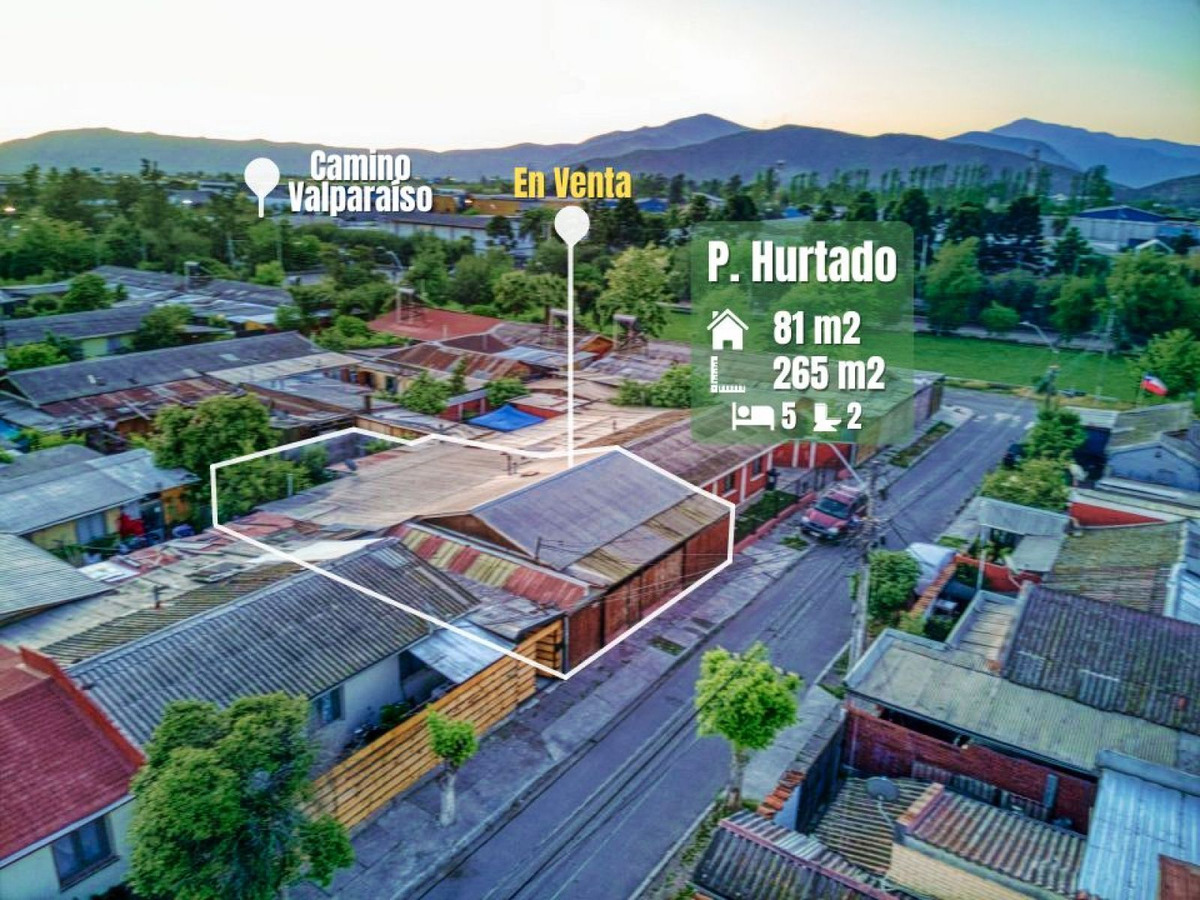
Venta en Padre Hurtado · $115.000.000 — foto de nuestra propia publicidad, no de un catálogo prestado.
Ver esta propiedad en Padre Hurtado →Frequently asked questions
What is the UF and why are prices in it?
The Unidad de Fomento is an inflation-adjusted accounting unit. Property and rents are often priced in UF so the real value stays stable while the peso amount changes daily with inflation.
Is Chile a safe place to live?
It is one of the more stable, safe countries in the region, with normal urban caution in parts of Santiago. Smaller towns and the coast generally feel calm.
Do people speak English in Chile?
Less than you might hope outside tourist and business circles. That is exactly why a bilingual advisor makes the property process so much smoother for a foreign buyer.
Should I visit before buying?
Ideally yes — or rent for a season first. Live the neighbourhood, the commute and the climate, then commit. We can help you do both.
Talk to a bilingual advisor
Falling for Chile? When you’re ready to put down roots, we’ll guide you to the right place — in English, with the title checked.
We work in English, and we cross eight public Chilean registries on every property — so a hidden problem in the title shows up before you pay.