

Renting in Chile as a Foreigner
Renting before you buy is often the wisest move — live the neighbourhood, learn the city, then commit. Here is how renting actually works in Chile, in plain English.
Actualizado · 2026-06-23 · lectura honesta, sin letra chica

Many foreigners rent for a year before buying, and it is a smart play: you test the area, the commute and the climate before sinking real money into a purchase. Renting in Chile is straightforward, with a few local customs worth knowing.
Here is the short, honest version of contracts, deposits and your rights.
The rental contract
A standard residential lease (contrato de arriendo) sets the rent, the term, who pays what, and the rules. Rent is often expressed in pesos but sometimes indexed to the UF (Chile’s inflation-adjusted unit), which means it quietly tracks inflation. Read the indexation clause — it is normal, but know which one you signed.
Garantía and the first month
Expect to pay a garantía (security deposit, usually one month) plus the first month up front. The garantía is not the landlord’s income — it is a refundable cushion against damage or unpaid bills, returned at the end if you leave the place in good shape with the accounts settled.

“Buying in a country that isn't yours is not about trust. It's about proof”
What a foreigner needs to rent
You will generally need a RUT, identification, and proof you can pay (an employment letter, contract, or savings). Some landlords ask for a guarantor (aval) or a rental-guarantee insurance, especially if you are new in the country with no local history. A bilingual advisor can present your case so a good landlord says yes.
The new eviction law (Ley 21.461, "Devuélveme mi casa")
In 2022 Chile passed Law 21.461, which created a faster "monitorio" procedure to recover unpaid rent and the property. It rebalanced things toward owners after years of slow eviction cases. As a tenant, the takeaway is simple: pay on time and keep it documented, and you have nothing to fear; the law mainly targets non-payment.
Registrar of Deeds, tax authority, treasury, municipal works and more. A hidden problem in the title shows up BEFORE you sign or wire a single peso — and we explain it to you in English.
Utilities and shared expenses
Clarify who pays electricity, water, gas, and — in an apartment or gated community — the gastos comunes (shared building/common-area fees). These are usually the tenant’s, and it is worth confirming they are up to date when you move in, so an old debt does not become your headache.
Así se ve una propiedad en Parral desde nuestra publicidad
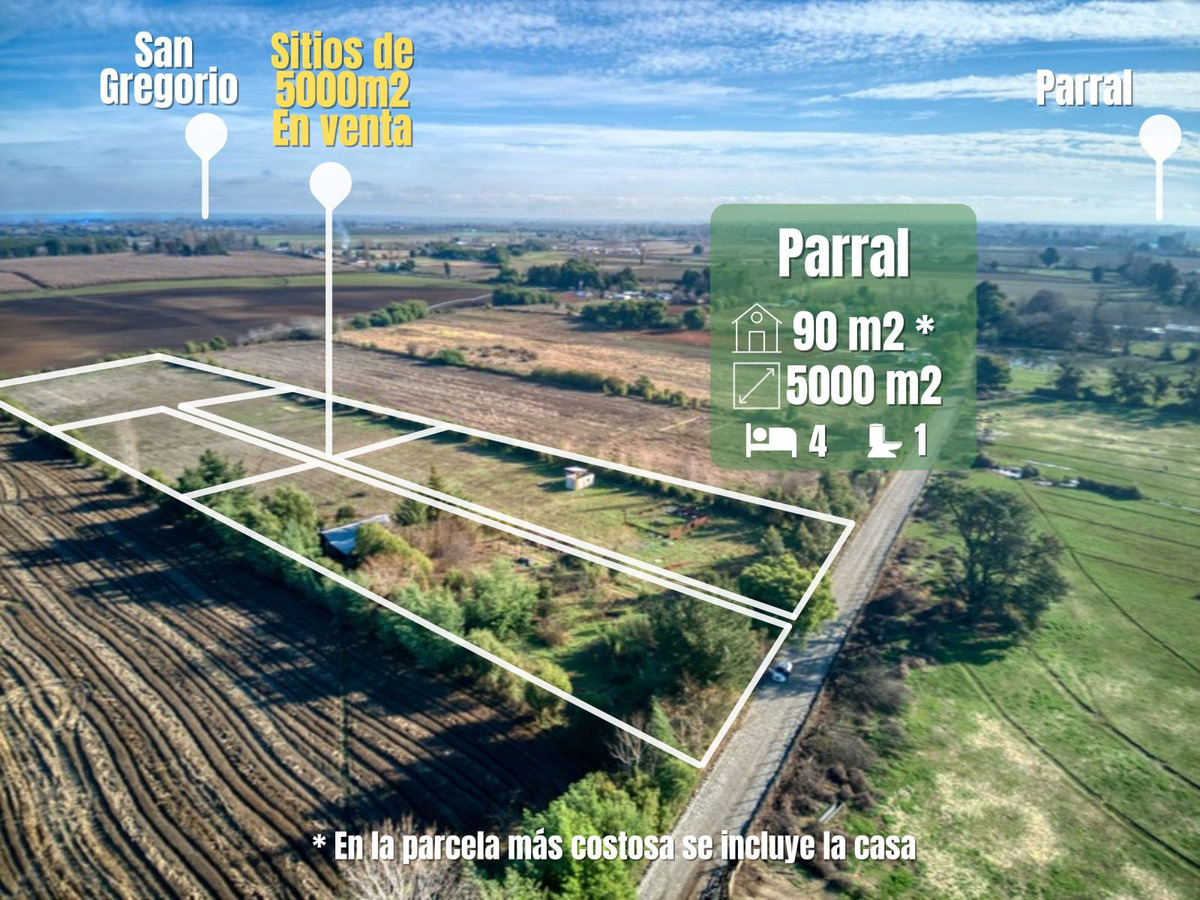
Venta en Parral · $27.000.000 — foto de nuestra propia publicidad, no de un catálogo prestado.
Ver esta propiedad en Parral →Frequently asked questions
Can a foreigner rent in Chile?
Yes, easily. You will usually need a RUT, ID and proof you can pay; some landlords ask for a guarantor or rental insurance if you are new in the country.
Do I need a RUT to rent?
In practice, yes for a formal lease — it is needed for the contract and to set up utilities. A foreigner can obtain one without residency.
What is the garantía?
A refundable security deposit, usually one month’s rent, returned at the end of the lease if the property is in good condition and the bills are settled.
What happens if there is a dispute with the landlord?
Rental disputes go through the local courts; since the 2022 law (21.461) non-payment cases move faster. A clear, written contract and documented payments protect you.
Talk to a bilingual advisor
Renting before you buy? We’ll help you land a place — and when you’re ready to own, we’re already on your side.
We work in English, and we cross eight public Chilean registries on every property — so a hidden problem in the title shows up before you pay.