

The Title Traps That Cost Foreigners Money in Chile
Chilean property law is friendly to foreigners. The danger is never the law — it is the specific paper trail of the specific property. Here are the traps, and how to make them show up before you pay.
Actualizado · 2026-06-23 · lectura honesta, sin letra chica

Ask any foreigner who has bought in Chile what scared them, and it is the same answer: "How do I know the title is clean?" It is the right thing to worry about. Chile has a public, reliable registry — but you have to actually read it, and most buyers don’t know how.
Here are the traps that catch people, in plain English, plus the single habit that defuses almost all of them.
The five classic scams
They are old as time and alive on Marketplace and WhatsApp: (1) the phantom listing — a gorgeous place at a suspiciously low price, asking for a deposit "to reserve", then it vanishes; (2) the double sale — the same property "sold" to several people; (3) the fake owner — someone who is not the owner collects and disappears; (4) the property with hidden surprises — real, but loaded with debts or mortgages you would inherit; (5) the vanishing deposit — pressure to pay a big "pie" on a project that will never be built.
The pattern that unites them all: they rush you, they ask for money up front, and they avoid the formal documents. A serious deal in Chile is slow, transparent and full of paperwork.
Hidden debts: what you could inherit
Some obligations follow the property, not the seller. Unpaid contribuciones (property tax), an un-discharged mortgage, an embargo, or in an apartment, unpaid gastos comunes that attach to the unit. Buy without checking, and they can become your problem. The certificado de hipotecas, gravámenes y prohibiciones from the Conservador is where these live.

“Buying in a country that isn't yours is not about trust. It's about proof”
Easements and metres that don’t match
A sleeping easement (servidumbre) that was never inscribed, or a difference between the square metres in the deed and what is actually built, can surface right when a buyer is doing their own check — and trigger a price cut. Better that you find it first.
The "mono" and unpermitted constructions
That extra room, the second floor, the lovely terrace — were they built with a municipal permit and received by the DOM? If not, the construction may be unregularized. It affects value and your ability to finance or resell. The good news is it is often fixable (see the "Ley del Mono").
Registrar of Deeds, tax authority, treasury, municipal works and more. A hidden problem in the title shows up BEFORE you sign or wire a single peso — and we explain it to you in English.
The fix: a real title study before you pay anything
Almost every trap above dies in the light of a proper title study: pulling the certificate of current ownership, the lien certificate, comparing the deed to the build, and checking the municipality. At Divergente we cross eight public Chilean registries (CBR, SII, Treasury, the DOM, the communal Conservador, the Civil Registry, Servel) in under a day — we call it the Detector de Reparos. For a foreign buyer wiring money from abroad, that single check is the difference between a calm purchase and a nightmare.
Así se ve una propiedad en Padre Hurtado desde nuestra publicidad
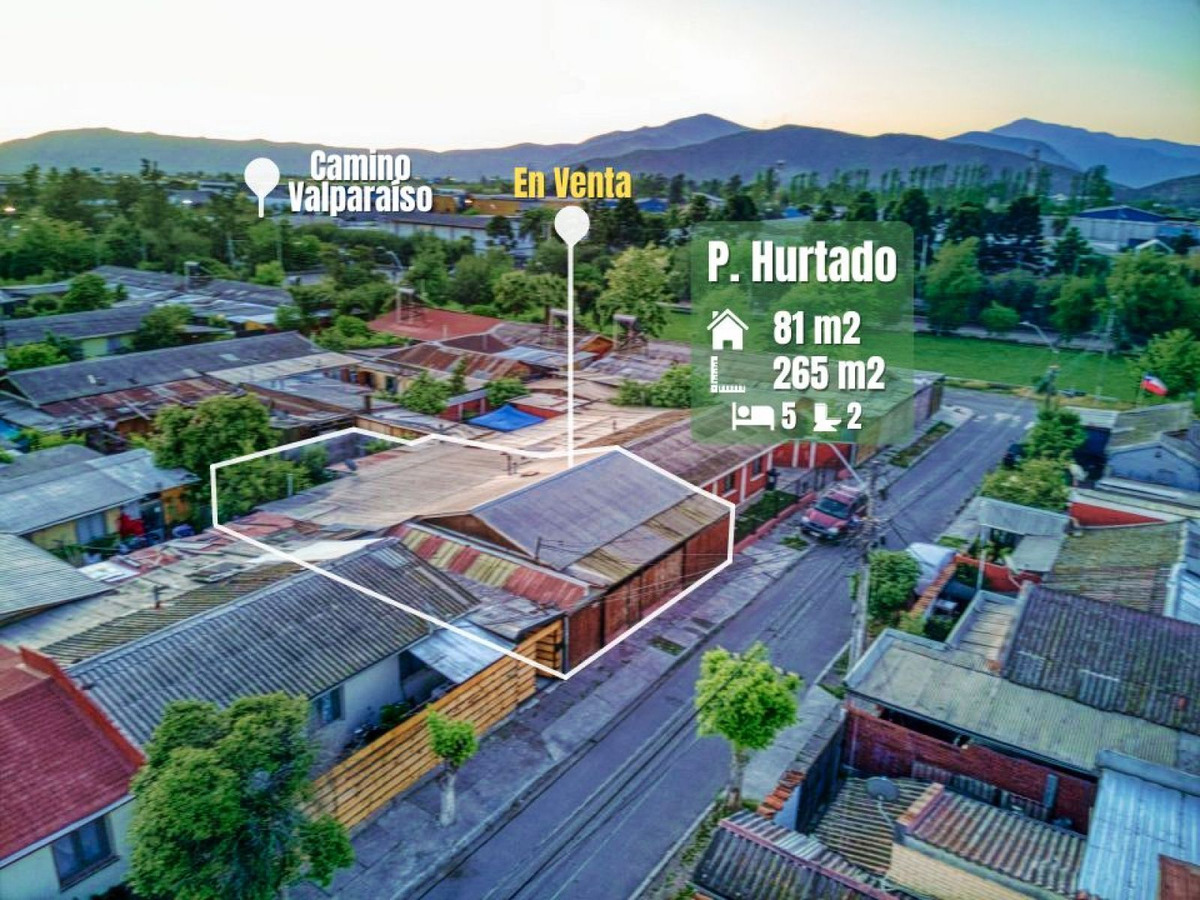
Venta en Padre Hurtado · $115.000.000 — foto de nuestra propia publicidad, no de un catálogo prestado.
Ver esta propiedad en Padre Hurtado →Frequently asked questions
How do I know who really owns the property?
The Certificate of Current Ownership (dominio vigente) from the Conservador de Bienes Raíces states the legal owner. Cross-check the person you are dealing with against that name — they must match.
Can I inherit the seller’s debts?
Some debts attach to the property: unpaid property tax, an un-discharged mortgage, an embargo, or unpaid building fees on an apartment. A lien certificate (hipotecas, gravámenes y prohibiciones) reveals them before you buy.
What is the "mono"?
Slang for the Conservador’s seal. By extension, the "Ley del Mono" is the periodic law that lets owners regularize constructions built without a municipal permit.
Do I really need a title study?
Yes — especially as a foreigner paying cash. It is the single most effective protection against scams and hidden problems, and it is inexpensive relative to the purchase.
Talk to a bilingual advisor
Before you wire money to Chile, let us run the title. Eight registries, one day, explained to you in English.
We work in English, and we cross eight public Chilean registries on every property — so a hidden problem in the title shows up before you pay.