

Can Foreigners Buy Land in Chile?
The Chilean dream is often a parcela — your own piece of land with a view of the cordillera. You can absolutely buy one as a foreigner. Just don’t fall for the four classic land traps.
Actualizado · 2026-06-23 · lectura honesta, sin letra chica

Foreigners can buy rural land and parcelas in Chile with the same rights as locals. A plot near the coast, a few hectares in a wine valley, a parcela 40 minutes from Santiago — all fair game.
But raw land is where the romance meets reality. A beautiful plot with no water, no legal access, or an illegal subdivision behind it can become an expensive headache. Here is what to check before you fall in love.
Parcela vs urban lot — know what you are buying
A parcela is a rural plot, usually sold off from a larger property. It is governed by rural rules (land use, minimum subdivision size, services you may have to bring in yourself). An urban lot sits inside a city’s zoning and usually has services at the curb. The price difference reflects that — and so does the due diligence.
Water rights: the make-or-break
In Chile, water rights (derechos de aprovechamiento de aguas) are a separate legal asset from the land. A plot can be gorgeous and have no usable water right at all. Before buying rural land, confirm what water comes with it, whether the right is registered, and whether it is enough for what you plan to do (a home, a garden, animals, a crop).

“Buying in a country that isn't yours is not about trust. It's about proof”
Access and roads (servidumbre de tránsito)
Is there a legal, registered right of way to the plot — or are you crossing a neighbour’s land on a handshake? "Landlocked" plots with only an informal path are a classic trap. The access should be inscribed, not assumed.
The "loteo brujo" — illegal subdivisions
A loteo brujo is an unauthorized subdivision: a big rural property carved into plots and sold without the proper permits. The plots may never be legally registrable in your name, and you can lose the money. If the price feels too good and the paperwork is vague, this is the alarm.
Can you actually build on it?
Rural does not automatically mean "build whatever you want." Land use (uso de suelo), the minimum subdivision size, and municipal rules (the DOM) decide what is allowed. Ask for the certificado de informaciones previas — it tells you what can be built. And if there is already a house with no permit, it may need to be regularized.
Registrar of Deeds, tax authority, treasury, municipal works and more. A hidden problem in the title shows up BEFORE you sign or wire a single peso — and we explain it to you in English.
Regularizing: Chile’s "Ley del Mono"
Chile periodically opens a fast-track law (popularly called the "Ley del Mono", Law 20.898) that lets owners legalize older constructions built without a municipal permit. If the plot you want has an unpermitted cabin or extension, this matters — it affects value, financing and your ability to sell later.
Así se ve una propiedad en Maipú desde nuestra publicidad
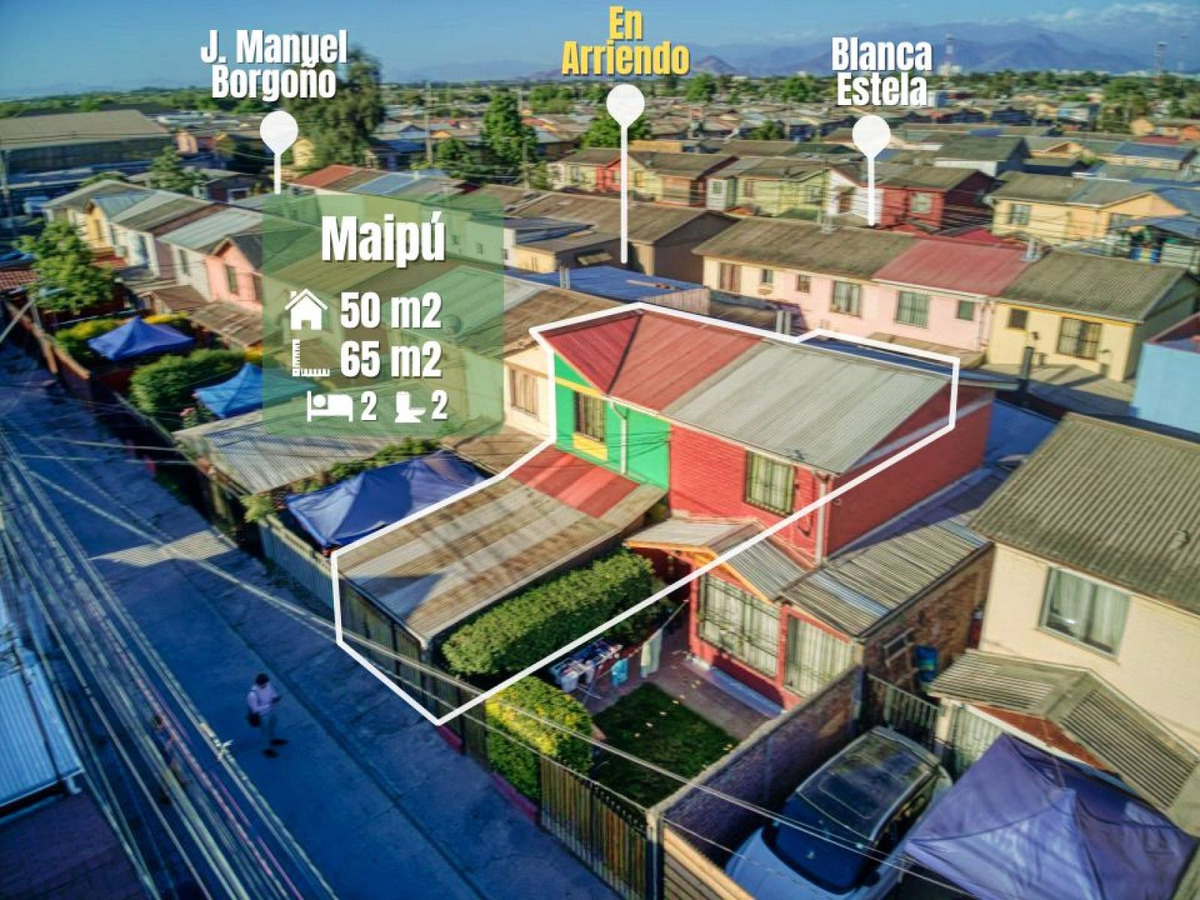
Venta en Maipú · $70.000.000 — foto de nuestra propia publicidad, no de un catálogo prestado.
Ver esta propiedad en Maipú →Frequently asked questions
Can a foreigner buy a parcela or rural land in Chile?
Yes, with the same rights as a Chilean. The extra care is in the land itself: water rights, legal access, permits and whether the subdivision is legal.
Do I need water rights?
For almost anything beyond a tiny plot, yes. Water rights are a separate legal asset and a plot can have none. Confirm what is registered before you buy.
What is a "loteo brujo"?
An illegal subdivision sold without permits. The plots may be impossible to register in your name. A vague-paperwork, suspiciously cheap rural plot is the red flag.
Can I build a house on a parcela?
Often yes, but it depends on land use and municipal rules. Get the certificado de informaciones previas, which states what is allowed on that specific plot.
Talk to a bilingual advisor
Eyeing a parcela or coastal plot? We check water, access and the subdivision before you commit — in English.
We work in English, and we cross eight public Chilean registries on every property — so a hidden problem in the title shows up before you pay.