

Where to Live in Chile: A Foreigner’s Map
Everyone tells foreigners to buy in Las Condes. Sometimes that is right. Often it is not. Chile is long and varied — here is an honest map of the places where your money buys a life, not just an address.
Actualizado · 2026-06-23 · lectura honesta, sin letra chica
Chile stretches 4,300 kilometres from the Atacama desert to Patagonia, so "where to live" depends entirely on the life you want. The default advice — Las Condes, Vitacura, Providencia — fits a specific buyer: corporate, school-age kids, downtown convenience, and a budget to match.
But many foreigners want space, nature, a slower pace and far more property for the money. That buyer should look just past the expat bubble. Here are three worlds worth knowing.
The green edge of Santiago (Peñaflor, Talagante, Padre Hurtado)
Forty minutes southwest of the capital, the city loosens into a belt of towns with gardens, plots, horses and real trees — yet still inside Greater Santiago’s orbit. You get a house with land for a fraction of a Las Condes apartment, with the airport and the city within reach. It is where Chilean families go for room to breathe, and it is our home turf.
The Central Coast (El Tabo and the Litoral de los Poetas)
The coast south of Valparaíso — El Tabo, El Quisco, Isla Negra (where Neruda lived) — is the classic Chilean beach life: cooler, slower, salt in the air, summers full and winters quiet. Prices range from modest cabins to serious sea-view homes. Great for a second home, a remote-work base, or a retirement by the Pacific.

“Buying in a country that isn't yours is not about trust. It's about proof”
The Maule wine valleys (Linares, Parral, Colbún)
Three to four hours south, the Maule region is wine country: vineyards, rivers, the Colbún lake, Andean foothills — and the most land for your money in this guide. If your dream is a few hectares, a quiet valley and a slower year, this is where it is most affordable. Just mind the rural checklist (water, access, permits).
The expat bubble, honestly
Las Condes, Vitacura and Lo Barnechea are popular with newcomers for real reasons: international schools, English-speaking services, security, modern infrastructure and shopping. The trade-offs are price and a more sealed-off, less "Chilean" daily life. There is no wrong answer — just be clear about what you are buying.
Registrar of Deeds, tax authority, treasury, municipal works and more. A hidden problem in the title shows up BEFORE you sign or wire a single peso — and we explain it to you in English.
A quick cost compass
As a rule of thumb: the same budget buys a small apartment in the expat bubble, a comfortable house with a garden on Santiago’s green edge, a coastal home with a view, or several hectares in a Maule valley. Decide the life first; the location follows.
Así se ve una propiedad en Limache desde nuestra publicidad
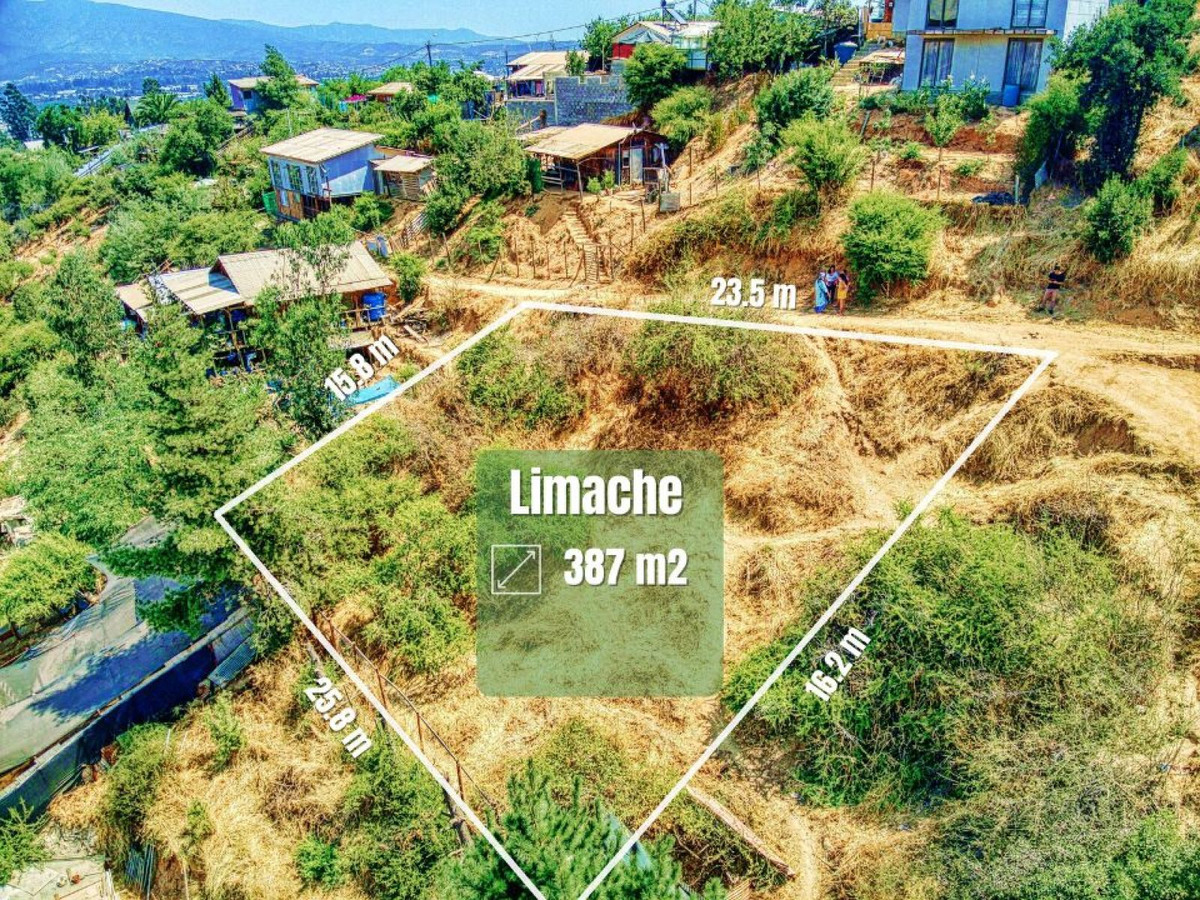
Venta en Limache · $15.000.000 — foto de nuestra propia publicidad, no de un catálogo prestado.
Ver esta propiedad en Limache →Frequently asked questions
Where do most expats live in Chile?
Traditionally Las Condes, Vitacura, Providencia and Lo Barnechea in Santiago — for schools, services and security. But buyers wanting space and value increasingly look to Santiago’s green edge, the coast, and the Maule valleys.
Is Chile safe?
Chile is one of the more stable and safe countries in the region, with the usual big-city caution in parts of Santiago. Smaller towns and the coast tend to feel calm. Always pair the lifestyle with a proper title check on the specific property.
How far are these areas from the airport?
Santiago’s green edge (Peñaflor/Talagante) is roughly 40–60 minutes from Santiago’s international airport. The Central Coast is about 1.5–2 hours; the Maule valleys 3–4 hours.
Where is land cheapest?
Generally the Maule valleys (Linares, Parral, Colbún) give the most land for the money, followed by the green edge of Santiago. The coast varies widely by view and access.
Talk to a bilingual advisor
Not sure which Chile is yours? Tell us the life you want — we’ll map it to real properties, in English.
We work in English, and we cross eight public Chilean registries on every property — so a hidden problem in the title shows up before you pay.