

Buying Property in Chile vs the United States
If your mental model of buying a home is American — escrow, title insurance, a 30-year mortgage, the MLS — Chile will surprise you at almost every step. None of it is harder; it is just built on a different foundation. Here is the side-by-side.
Actualizado · 2026-06-23 · lectura honesta, sin letra chica

Americans are among the most active foreign buyers in Chile, and the legal welcome is real: US citizens own property here with the same rights as Chileans. But the mechanics of a US closing and a Chilean closing rest on different systems, and assuming they work the same way is how people get caught out.
This is the honest comparison — the differences that actually matter for an American buyer, several of which will make you rethink how you protect your money.
Financing: the biggest shock
In the US you expect a mortgage — pre-approval, a down payment, a 30-year loan. In Chile, banks almost never lend to non-residents; mortgage lending is built around local income and credit history. So the overwhelming majority of American buyers pay cash, or finance from the US side (a HELOC, a cash-out refinance, a private structure). Sort out your financing before you fall for a property, not after.
Title insurance: it does not exist here — and that changes everything
This is the one that surprises Americans most. In the US a title company runs the title and sells you title insurance — a policy that pays out if a defect surfaces later. Chile has no title-insurance industry. Instead, ownership lives in a public registry (the Conservador de Bienes Raíces), and your protection is a careful title study done BEFORE you buy. There is no policy to fall back on; the diligence is the insurance. That is exactly why a real title check matters so much here — and why our Detector de Reparos (eight registries crossed before you pay) is the Chilean equivalent of the protection you would expect back home.

“Buying in a country that isn't yours is not about trust. It's about proof”
Closing: notary and registry, not escrow
A US closing runs through an escrow/title company that holds the funds and coordinates signing. In Chile you sign the escritura (public deed) before a notario, and ownership transfers when that deed is inscribed at the Conservador. Funds usually move via a vale vista (a bank-issued cashier instrument), between the parties. There is no neutral escrow holder by default — so sequencing, and a trusted advisor, matter more.
Costs: lower commissions, fewer line items
US buyers brace for 5 to 6 percent in agent commissions plus a long closing-cost list. In Chile commission is commonly around 2% + IVA per side and negotiable, and notary and registry fees are modest. The flip side: agents are unregulated, so the value is in WHO you trust, not a standardized process.
Property taxes and the RUT
Instead of a US-style annual property-tax bill (which can be brutal in some states), Chilean property pays contribuciones based on the SII fiscal appraisal, and a single primary home can fall below the threshold. To buy, you need a RUT — Chile’s tax ID, conceptually like an ITIN — which a foreigner can obtain without residency.
Registrar of Deeds, tax authority, treasury, municipal works and more. A hidden problem in the title shows up BEFORE you sign or wire a single peso — and we explain it to you in English.
No MLS — and why that is a trap for the unprepared
There is no single, reliable MLS in Chile. Listings are scattered across portals, often duplicated, stale, or outright fake (ghost listings). For an American used to Zillow-grade data this is disorienting. It is the main reason a trusted local broker — one who shows you real, current inventory and checks the title — saves you from the most expensive mistakes.
Así se ve una propiedad en Padre Hurtado desde nuestra publicidad
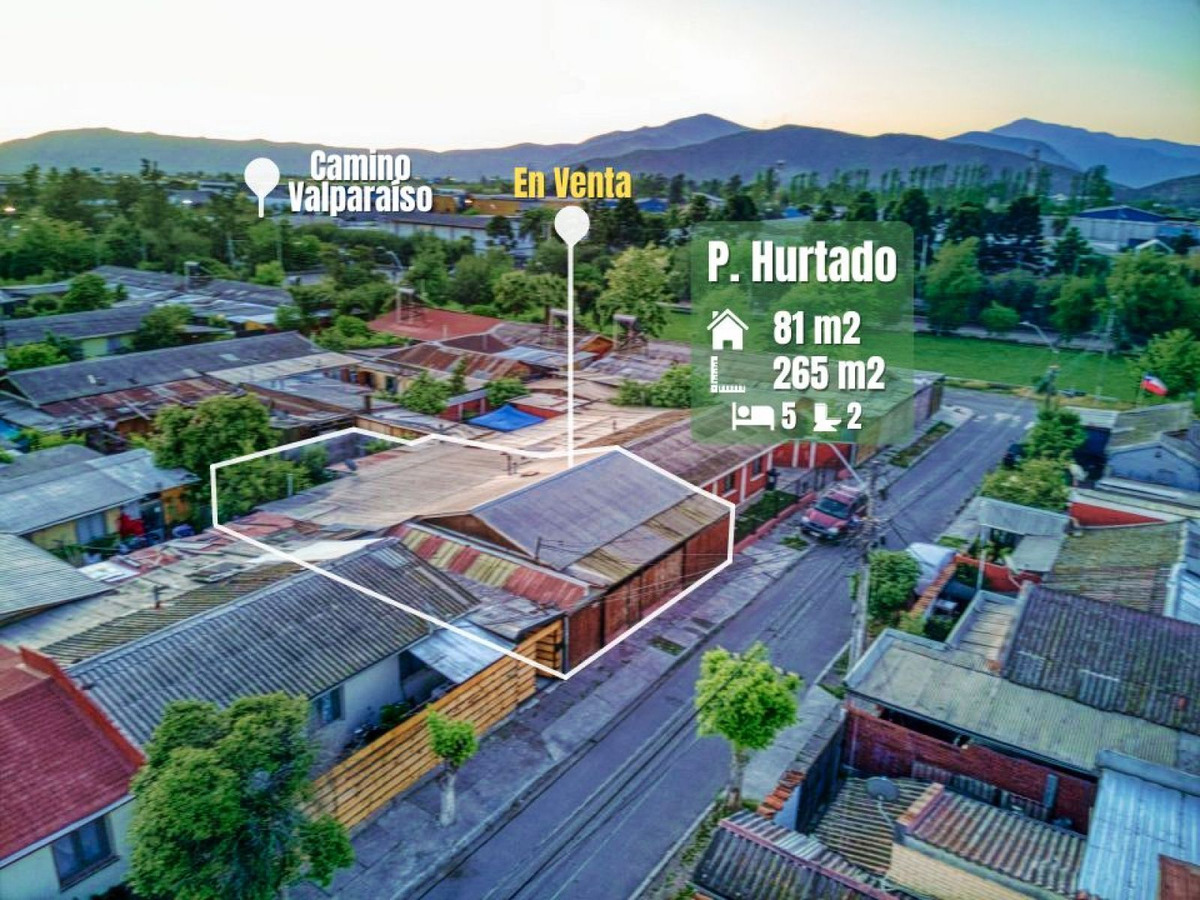
Venta en Padre Hurtado · $115.000.000 — foto de nuestra propia publicidad, no de un catálogo prestado.
Ver esta propiedad en Padre Hurtado →Frequently asked questions
Can a US citizen buy property in Chile?
Yes, with the same ownership rights as a Chilean — no visa or residency required. You will need a RUT (tax ID), which a foreigner can obtain without residency.
Can I get a mortgage in Chile as an American?
Almost never as a non-resident. Most US buyers pay cash or finance from the US side. Arrange financing before you commit.
Is there title insurance in Chile?
No. Chile uses a public registry (the Conservador) and a pre-purchase title study instead of title insurance. The diligence before you buy is your protection — which is why a thorough title check is essential.
How is closing different from the US?
No escrow company by default. You sign a public deed before a notary, and ownership transfers when the deed is inscribed at the Conservador. Funds move between the parties, often via a bank cashier instrument.
Talk to a bilingual advisor
American and thinking about Chile? Talk to a bilingual advisor who runs the title the way a US title company would — before you wire a single dollar.
We work in English, and we cross eight public Chilean registries on every property — so a hidden problem in the title shows up before you pay.